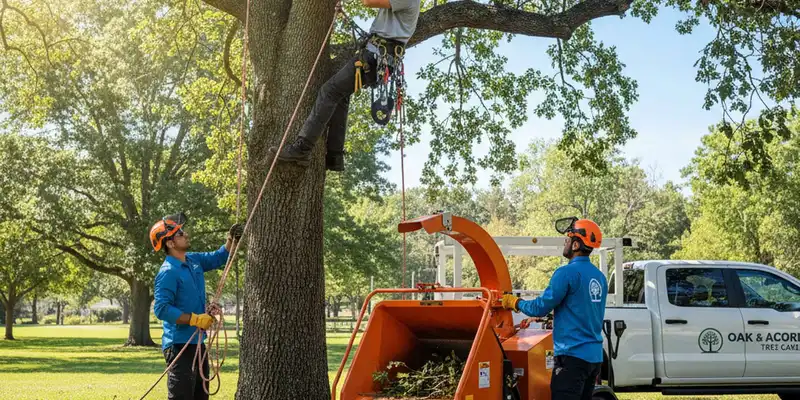
Anderson Island is a rural, ferry-reliant community in Pierce County, with homes that range from waterfront cabins on Amsterdam Bay to wooded inland parcels near Otso Point. Narrow gravel roads, limited access for heavy equipment, and the constant moisture of Puget Sound create conditions where tree disease treatments and internal decay can spread quickly. The network of tree care professionals in Tacoma knows how to evaluate wind-stressed canopies, address root pressure near aging structures, and remove storm-damaged limbs from properties that need to stay safe and reachable for island residents throughout the year.
That is why more property owners in Anderson Island, WA, are choosing Arbor Tree Care to help keep their land in good shape year-round.

Prefer to Talk to An Expert?
(253) 242-6545
Why Anderson Island Property Owners Trust Local Professionals to Get It Right
With deep experience in the area, these professionals understand ferry-dependent equipment planning, salt-air stress, and the tightly wooded lot layouts that define the island. Every job is matched with the tools and methods best suited to Anderson Island properties, with work planned around coastal wind exposure, seasonal storm impacts, and moisture-related fungal issues common in this part of Tacoma.
From large Douglas fir removal near the Anderson Island Community Club to structural pruning along Yoman Road, each project is completed with careful attention to precision and long-term property access.
If you take pride in your property, let local contractors help keep your trees healthy, stable, and safe on Anderson Island.
Our Tree-Service Services
in Tacoma, WA, Include
A Service Area Designed to Fit Your Anderson Island Neighborhood
The density of wooded lots and the limited road network in your neighborhood call for tree service solutions that are anything but generic. That is why local professionals use customized approaches for every waterfront, inland, or trail-adjacent property on the island.
Whether the work is at a cabin near Amsterdam Bay, a wooded home site by Otso Point Road, or a seasonal retreat close to Lake Josephine, the plan is built around the property itself.
From tree trimming and stump removal to root protection and insect management, services are shaped around the character of the neighborhood and the needs of each individual property.
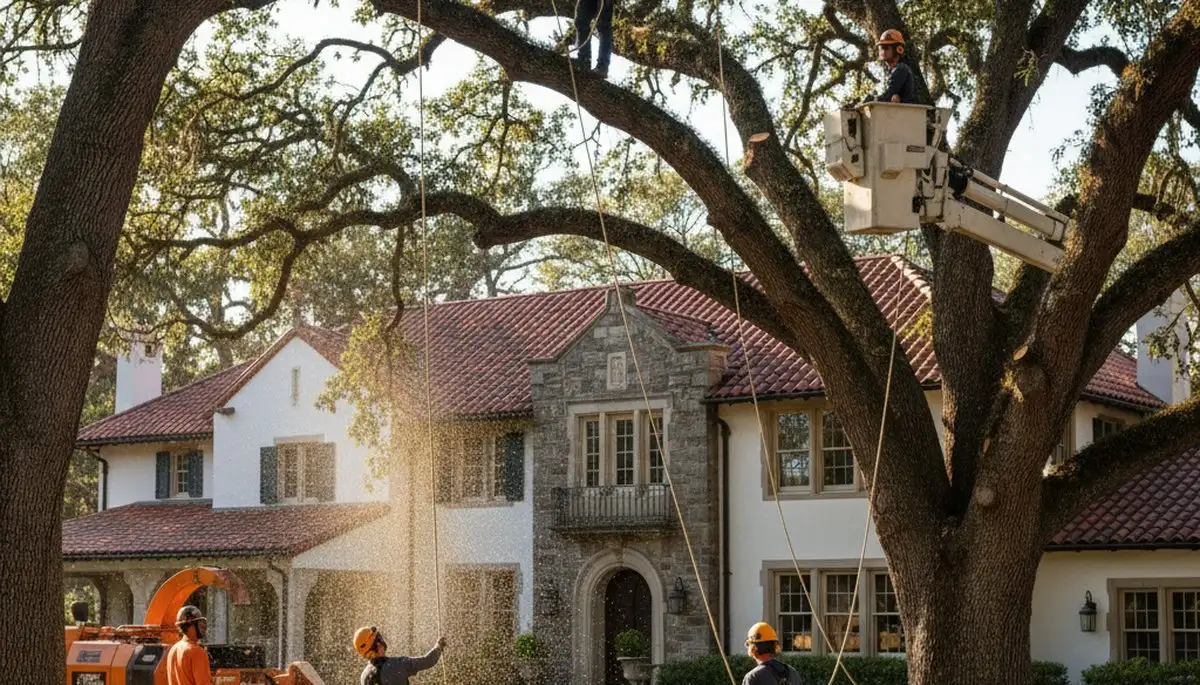
Anderson Island’s Wooded Heritage, Rooted in History
Anderson Island has long been shaped by second-growth forest, shoreline bluffs, and a rural residential pattern that developed gradually during the twentieth century. That history still shows up today in aging Douglas firs, storm-damaged alders, and lifted pathways that influence how tree care must be handled across the island.
Coastal Salt Air and Wind-Damaged Canopies
Many Anderson Island properties, especially those along Amsterdam Bay and the western shoreline near Oro Bay, deal with regular salt-air exposure that weakens bark, speeds up needle loss in conifers, and leads to early branch dieback. The result is often a weakened canopy and a higher risk of limb failure near roofs, docks, and walkways.
Local professionals address wind and salt damage with focused crown reduction, deadwood removal, and selective tree pruning techniques that help preserve safe access on waterfront parcels.
Dense Canopy Overgrowth on Inland Residential Lots
The island’s mature second-growth forest adds privacy and shade, but the tree cover can become too dense for healthy growth. Crowded Douglas firs and red alders often compete for light, leaving understory plants suppressed and making lower trunks and root zones more vulnerable to fungal problems.
Professionals manage these conditions with canopy thinning, selective limb elevation, and tree fertilizing plans designed for high-moisture soils and limited drainage.
Fungal Disease and Root Decay in High-Moisture Soils
Steady rainfall and poor drainage have left many Anderson Island trees vulnerable to root rot and fungal growth, especially in low areas near Lake Josephine and other interior wet zones.
Trusted pros handle these concerns through early disease detection, targeted treatments, and root zone care that supports tree stability and helps slow the spread of decay to nearby trees.
Seasonal Storm Damage from Puget Sound Weather Patterns
Fall and winter storms moving off Puget Sound can bring strong winds and heavy rain, leading to broken limbs, shallow-rooted trees pulling loose, and blocked access along Yoman Road and East Oro Bay Road.
Experienced crews respond quickly with storm damage cleanup using aerial lift equipment brought over by ferry, hand-rigging methods, and organized debris removal to restore safe access even after severe island weather.
Ferry-Dependent Equipment Access and Narrow Road Constraints
Limited ferry schedules and narrow gravel roads are part of everyday life on Anderson Island, which makes transporting large equipment and staging multi-day projects more complicated than on the mainland.
Local pros rely on compact rigging systems and coordinated ferry logistics, with scheduling built for efficiency and minimal disruption so tree work can be completed despite access limits. Crews with similar island experience, such as those handling tree removal contractors in Fox Island, WA, bring useful knowledge to Anderson Island jobs. Property owners in nearby Puget Sound communities, including those searching for tree trimming services in Vashon, WA, face similar ferry-access challenges that shape how island work is planned and performed.

Kick off your tree service project today!
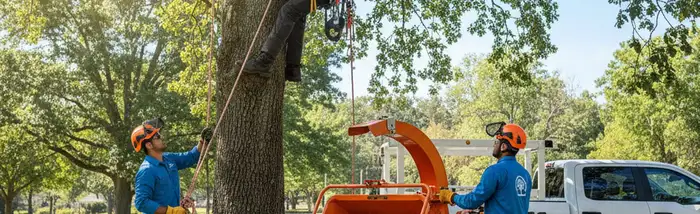
Tree Services in Anderson Island, WA: Care for Every Season
From routine maintenance to fast emergency response, here is how local pros help keep properties healthy, accessible, and structurally sound:
Routine Tree Trimming and Pruning in Anderson Island, WA
- Canopy elevation along Yoman Road: Overgrown alder and maple branches often reach into driveways and rooflines; routine tree trimming helps maintain safe, consistent clearance.
- Crown thinning on wooded inland lots: Dense second-growth canopies near Otso Point benefit from selective thinning to reduce wind load and allow more light to reach understory plants.
- Structural pruning for waterfront properties: Salt-air-stressed trees near Amsterdam Bay need targeted tree pruning to remove weak limbs before storm season arrives.
- Deadwood removal from aging Douglas firs: Large conifers across the island often collect deadwood that increases fall risk; scheduled pruning helps manage that hazard.
- Seasonal shape maintenance for ornamental trees: Homes near Lake Josephine often include ornamental maples and fruit trees that do best with annual form pruning for health and appearance.
Schedule seasonal trimming before Puget Sound storm season to reduce the chance of preventable wind damage on your Anderson Island property.
Tree Removal Services in Anderson Island, WA
- Hazardous tree removal near structures: Leaning or root-damaged trees close to cabins and seasonal homes across the island require careful rigging and controlled felling to protect nearby structures.
- Storm-damaged tree removal: Trees split or uprooted by winter storms along East Oro Bay Road are cleared efficiently with coordinated crews after ferry transport.
- Dead tree removal from wooded lots: Standing dead conifers in Anderson Island’s interior forest areas are removed before they become falling hazards during high winds.
- Waterfront tree removal near docks and shoreline: Trees that threaten dock access or bluff stability along Oro Bay are removed using low-impact techniques that help protect the shoreline.
- Whole-tree removal for land clearing: Property owners preparing for new construction or larger clearings near the community club depend on full-service tree removal to open up lots safely.
Removing hazardous or dead trees in time helps lower storm-season risk and keeps Anderson Island properties accessible and protected.
Stump Grinding and Cleanup in Anderson Island, WA
- Stump grinding after conifer removal: Large Douglas fir stumps left behind on wooded residential lots are ground down to limit regrowth and remove tripping hazards from paths.
- Root system cleanup near foundations: Stumps near cabin foundations along interior roads are removed with care to limit root spread and protect structural integrity.
- Clearing stumps from overgrown lots: Properties reclaimed from long-term forest encroachment near Otso Point often include multiple old stumps that need systematic stump removal.
- Post-storm stump management: Trees uprooted by winter weather can leave exposed root balls and broken stumps that are ground and cleared during full storm cleanup.
- Site preparation grinding for new planting: After stump removal, grinding creates cleaner soil conditions for tree planting projects that restore canopy cover or improve curb appeal.
Thorough stump removal helps prevent regrowth, makes mowing easier, and prepares Anderson Island lots for replanting or expanded outdoor use without leftover root obstacles.
Emergency Tree Services in Anderson Island, WA
- 24-hour fallen tree response: Storms moving through the South Sound overnight can bring trees down across driveways and access roads; emergency tree services crews move as soon as ferry access allows to reopen blocked routes.
- Limb failure response near occupied structures: Heavy rain and wind can trigger sudden branch failures in aging conifers near island cabins, requiring prompt hazard checks and removal.
- Storm debris clearing from roadways: Yoman Road and East Oro Bay Road are especially likely to collect debris after major weather events; emergency crews clear those routes to restore community access.
- Hazard tree stabilization after wind events: Trees left leaning or partially uprooted after storms are evaluated and stabilized or removed before conditions get worse.
- Post-storm damage documentation and cleanup: Full emergency service includes debris removal, site cleanup, and follow-up review to spot secondary hazards caused by the original storm.
Because Anderson Island depends on ferry access, rapid emergency planning matters; a crew already familiar with island logistics can mobilize faster when severe weather hits.